Region and Environment
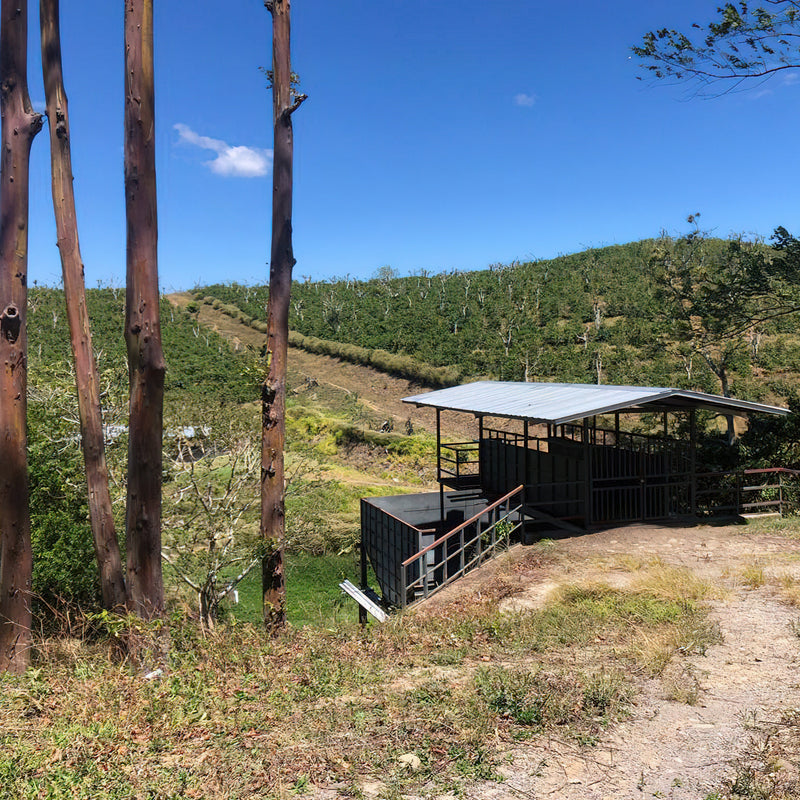
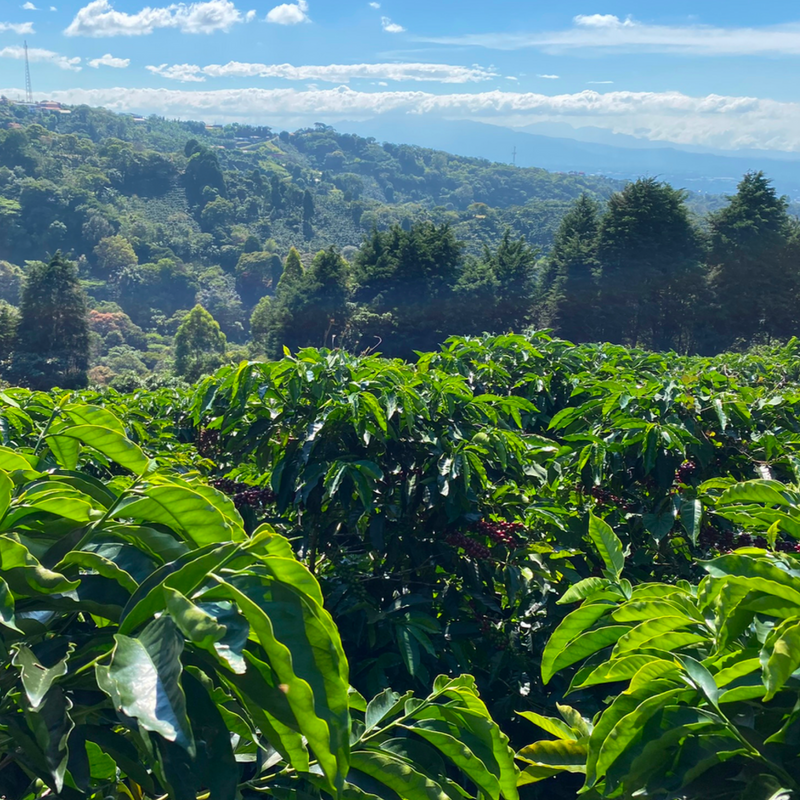
Quebraditas Coffee Farm is located in Oporapa, Huila, in Colombia’s Central Mountain Range. The farm covers 18 hectares and ranges between 1,600 and 1,850 meters above sea level. The elevation and terrain provide stable growing conditions that support slow cherry development and careful varietal management.
Producer and Farm
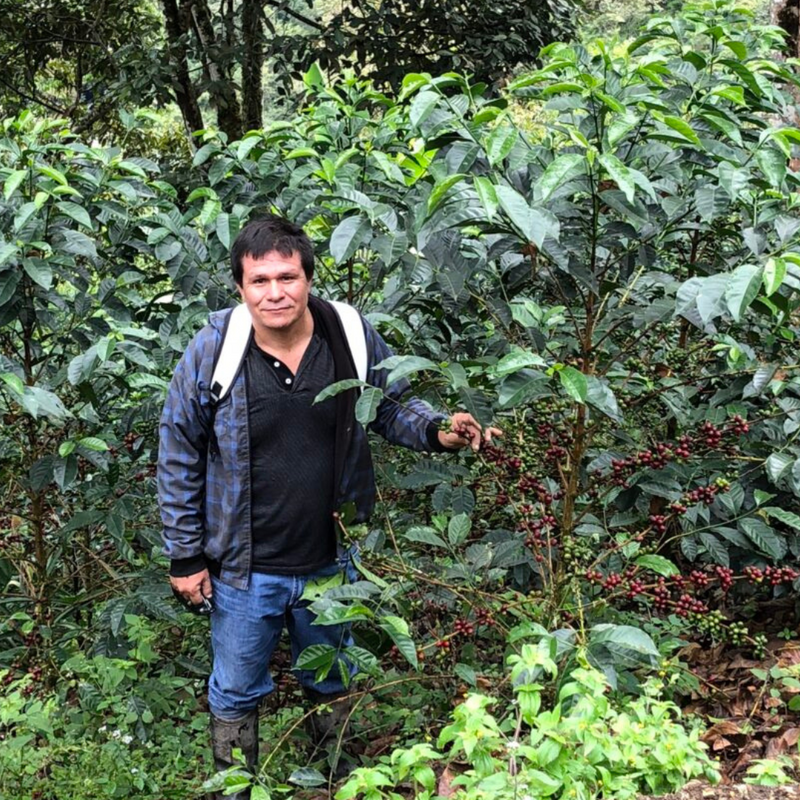
Quebraditas is led by Edinson Argote and Angela Rojas, who focus on fermentation driven specialty production. The farm works intentionally with high value cultivars and structured processing methods rather than conventional volume based farming. Their approach centers on precise harvesting, fermentation control, and differentiated lots.
Varietal Focus
This lot is Sidra. At Quebraditas, Sidra is grown under high altitude conditions and harvested with strict ripeness selection standards. The variety is known for responding strongly to fermentation techniques, which makes process control especially important. Its cultivation here reflects the farm’s emphasis on high potential cultivars paired with technical processing.
Processing Method
This is a yeast macerated washed Sidra with multiple controlled stages. Harvesting targets at least 90 percent fully ripe cherries, followed by flotation to remove lower density fruit. The cherries undergo a 16 hour oxidation period before dry pulping, followed by a second oxidation stage of 24 hours.
A thermal shock wash at 45 degrees Celsius is applied before inoculating the coffee with a starter culture developed from coffee pulp and hybrid yeast. Passionfruit maceration is included during fermentation. Fermentation runs for 36 hours below 25 degrees Celsius, followed by a 5 degree wash to halt the process.
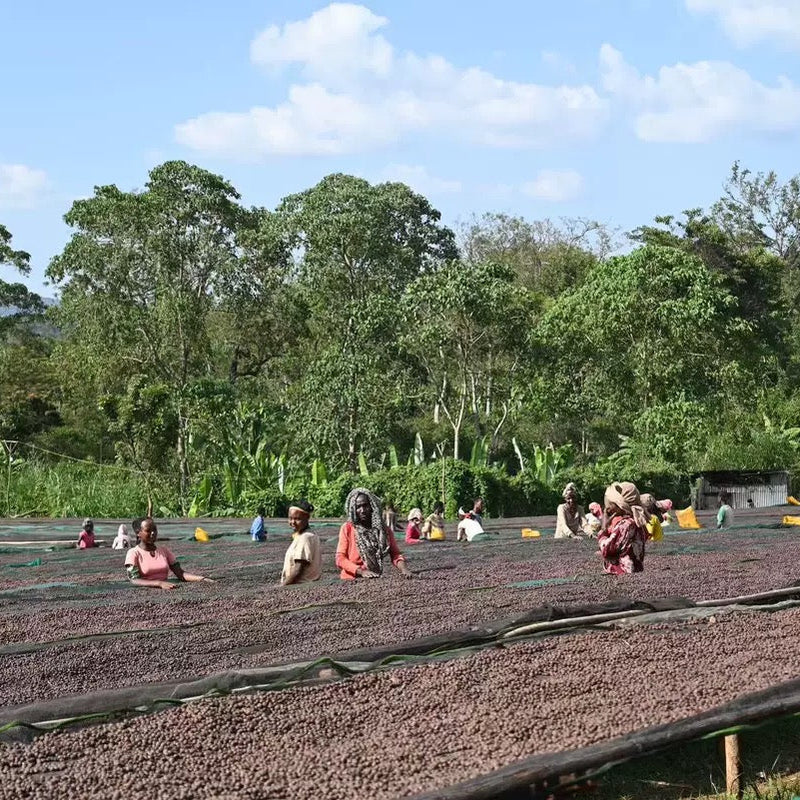
Drying is controlled at approximately 40 degrees Celsius for about 76 hours before stabilization in hermetic bags. The result is a highly structured washed profile built through deliberate fermentation design rather than conventional washed processing.