Region and Environment
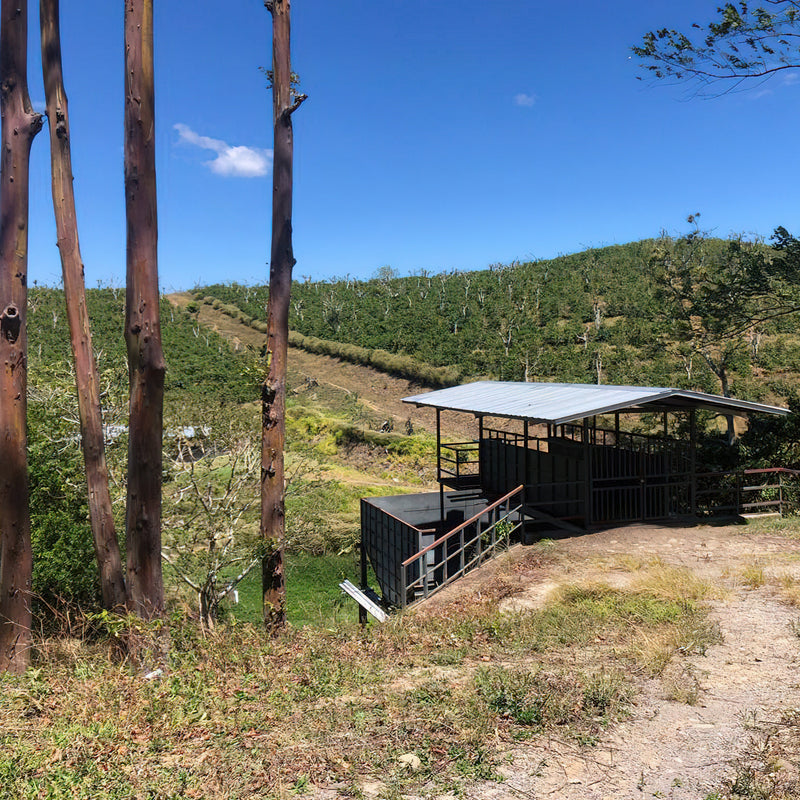
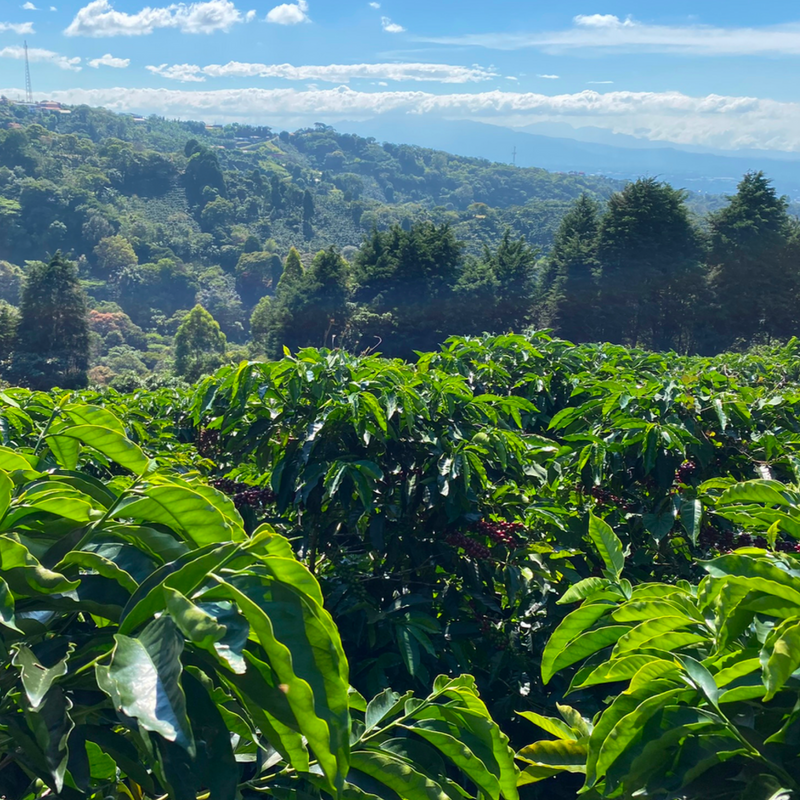
Las Margaritas is located in Bruselas, Huila, Colombia, at approximately 1,800 meters above sea level. The area is defined by mountainous terrain and a cool climate that allows for slow and even cherry maturation. These conditions support density development and make the region suitable for high potential specialty varieties that benefit from stable growing environments.
Farm and Producer
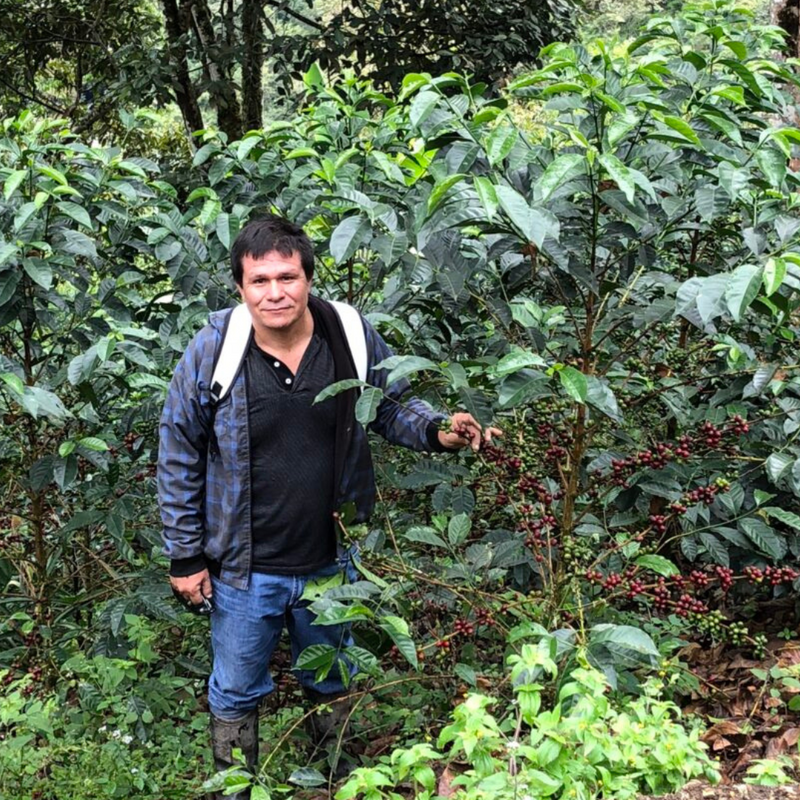
Las Margaritas is a 14.5 hectare farm established by the Vergara family. Coffee cultivation began in 1990 with 18,000 trees and later expanded to around 90,000 trees across the property. The farm is currently managed by Diego Vergara together with his father Edilberto. After participating in Cup of Excellence in 2006, the family shifted toward specialty focused farming, emphasizing varietal selection and structured processing over volume.
Varietal Focus
This lot is Sidra, a specialty Arabica variety widely believed to carry Ethiopian lineage combined with Bourbon type structure. In Colombia, Sidra has gained attention for its aromatic potential and balance. It is not a low maintenance variety. It requires precise harvesting, consistent farm management, and careful nutritional control. Uneven ripeness or inconsistent handling can quickly reduce quality, which is why Sidra is typically grown by producers who are committed to close oversight and quality driven production. At Las Margaritas, its cultivation reflects a deliberate decision to invest in higher potential cultivars rather than conventional commercial varieties.
Processing Method
The coffee follows a structured washed process with extended and controlled stages. Cherries first undergo a 36 hour oxidation period. They are then washed at approximately 40 degrees Celsius before being pulped. After pulping, the coffee is placed in sealed bags for an 80 hour anaerobic fermentation under controlled conditions. A final wash at 45 degrees Celsius removes remaining residues and halts fermentation before drying. The sequence of oxidation, anaerobic fermentation, and temperature controlled washing reflects a technical approach aimed at managing fermentation while maintaining process clarity.